
What Evidence Can Help Strengthen a Personal Injury Claim?
Getting hurt because of someone else's carelessness is stressful enough on its own. Then comes the part nobody warns you about, the moment you realize your entire personal injury claim might come down to what you can actually prove. Insurance companies aren't in the business of taking your word for it, and neither, frankly, is the legal system. If you want fair compensation, you need evidence, and a lot of it.
The tricky part is that most people don't know what actually counts as strong evidence until it's too late to go back and get it. Photos that should have been taken get skipped. Witnesses walk away and are never contacted. Medical visits get delayed because life gets in the way. So let's talk through exactly what kind of evidence makes a real difference, and why each piece matters more than you might think.
Photos and Videos From the Scene
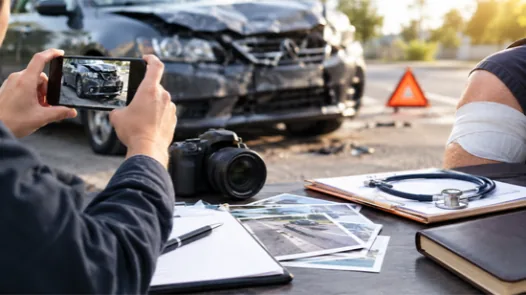
If you're able to, taking photos right after a car accident is one of the most valuable things you can do. This means pictures of the accident scene itself, any visible injuries, damaged property, road conditions, weather, skid marks, broken stairs, spilled liquid, whatever caused or contributed to what happened.
The reason this matters so much is that scenes change fast. Wet floors get mopped up, broken steps get repaired, and vehicles get towed away within hours. Once that happens, you're left trying to describe something that no longer exists, and descriptions are a lot easier to argue with than photos.
If you have a dash cam or if the accident happened somewhere with security cameras, that footage can be even more powerful. Insurance companies and courts tend to trust video evidence more than almost anything else, since it removes a lot of the he said she said back and forth that slows claims down.
Medical Records That Tell a Clear Story
This one seems obvious, but the details matter more than people realize. It's not just about proving you were injured, it's about proving your injury is directly connected to the accident and that you took it seriously from the start.
Seeing a doctor immediately, or as soon as possible, creates a paper trail that links your symptoms to the incident. If you wait weeks to get checked out, insurance companies love to argue that something else caused your injury, or that it wasn't serious enough to need urgent care in the first place.
Consistency matters here too. If you keep every follow up appointment, follow your doctor's recommendations, and avoid unexplained gaps in treatment, your medical file tells a clean story. Gaps and missed appointments, even for reasons that make total sense in real life, tend to get twisted into evidence that you weren't really hurt.
Witness Statements
If anyone saw what happened, their account can carry a lot of weight, especially when your version of events is being questioned. A witness who has no personal stake in the outcome tends to be seen as more credible than the people directly involved, simply because they don't have a reason to shade the story one way or another.
Getting a witness's name and contact information right away is important, because memories fade fast and people can be surprisingly hard to track down later. Even a short written statement taken soon after the incident, while details are still fresh, can end up being more useful than a heavily prepared statement given months down the line.
The Official Accident or Incident Report
Whether it's a police report for a car accident, an incident report filed at a store for a slip and fall, or a workplace injury report, these documents create an official record of what happened close to the time it occurred.
These reports often include details you might not think to write down yourself, like the responding officer's initial assessment of fault, statements taken from those involved, and sometimes even diagrams of how the accident unfolded. Even if the report isn't perfectly in your favor, it still shows that the incident was formally documented rather than something you're describing after the fact with no backup. In a slip-and-fall case specifically, that same paperwork is often central to proving the property owner knew about the hazard before you were hurt.
Your Own Written Account and Injury Journal
This one gets overlooked constantly, but keeping a personal record of how your recovery is going can genuinely strengthen your claim. Write down your pain levels, how the injury affects your daily routine, missed events, sleepless nights, and anything you can no longer do the way you used to.
This kind of documentation helps fill in the gap between medical records, which tend to be clinical and brief, and the real lived experience of dealing with an injury. It also helps you remember details later on that you might otherwise forget once time passes, which matters a lot if your case takes months or even years to resolve.
Proof of Financial Losses
Beyond the physical side of things, you need solid documentation of how the injury hit you financially. This includes medical bills, receipts for medication, costs for physical therapy, and any equipment you needed like crutches, braces, or a wheelchair.
Lost income matters just as much. Pay stubs, a letter from your employer confirming missed work, and tax records can all help establish exactly how much money you lost because you couldn't work. If your ability to earn a living going forward has been impacted, this is usually where a financial or vocational expert gets brought in to calculate long term losses in a way that holds up.
Expert Opinions and Testimony
For more serious injuries, expert opinions can make an enormous difference. A doctor explaining the long term impact of your injury in clear terms carries more weight than a stack of paperwork alone. Accident reconstruction experts can also step in when fault is disputed, using physical evidence to recreate exactly how a crash or fall happened.
These experts aren't cheap, and they're usually reserved for cases where the stakes are high enough to justify the cost, but when they're used, they tend to carry a lot of credibility with insurance companies and juries alike, since they're seen as neutral professionals rather than someone with a personal stake in the outcome.
Communication Records With the Other Party or Insurer
Any emails, text messages, or letters between you and the other party involved, or between you and their insurance company, can end up being important evidence. Sometimes people accidentally admit fault in a text message right after an accident, or an insurance adjuster says something in writing that contradicts their later denial.
Keeping a simple log of every phone call, including the date, time, and what was discussed, can also help later if there's ever a dispute about what was said or promised during negotiations.
Social Media Can Work Against You
Here's something that trips a lot of people up. While social media itself isn't evidence you're gathering to help your claim, it's worth mentioning because insurance companies actively search for anything that might undermine your case. A photo of you at a birthday party smiling, even if you were in pain the whole time, can be twisted into an argument that your injury isn't as serious as claimed.
The safest move is to avoid posting about your accident, your recovery, or your daily activities until your claim is fully resolved. It's not that you're doing anything wrong by living your life, but context gets lost online, and insurance companies aren't exactly looking to give you the benefit of the doubt.
Why Organizing Everything Matters Just as Much as Collecting It
Having strong evidence doesn't help much if it's scattered across your phone, glove compartment, and random folders you can't find later. Keeping everything organized from the start, ideally in one folder or file, makes it much easier for your lawyer to build a strong case and respond quickly when the insurance company asks for documentation.
This also protects you from losing important evidence over time, which happens more often than people expect, especially when a claim drags on for months.
The Bottom Line
Strong evidence is really the backbone of any personal injury claim. Photos, medical records, witness statements, official reports, financial documentation, and even your own written account of what you've been through all work together to build a case that's hard to argue with. The more thorough and organized your evidence is, the harder it becomes for an insurance company to deny, delay, or lowball your claim.
If you've been injured because of someone else's negligence, start gathering and organizing everything as early as possible. It might feel like a lot of extra work while you're already dealing with pain and stress, but it's exactly this kind of preparation that tends to make the biggest difference when it comes time to negotiate a fair settlement.
Frequently Asked Questions
What's the most important piece of evidence in a personal injury claim?
Medical records tend to carry the most weight overall, since they connect your injury directly to the accident and show how serious it actually was.
Should I take photos even if my injury doesn't seem serious at first?
Yes, it's always better to document the scene right away, since some injuries take time to show symptoms and conditions at the scene can change quickly.
How important are witness statements in a personal injury case?
They can be very valuable, especially when fault is disputed, since an outside witness with no personal stake in the outcome is usually seen as more credible.
Can social media posts really affect my personal injury claim?
Yes, insurance companies often look through social media for anything that seems to contradict your claimed injuries, so it's safest to avoid posting until your case is resolved.
Do I need expert witnesses for every personal injury claim?
Not always. Experts are usually brought in for more serious or disputed cases, but for straightforward claims, strong medical records and documentation are often enough on their own.
Not sure if you have enough evidence to support your personal injury claim?
Contact the experienced Chicago personal injury attorneys at Panio Law Offices today for a free consultation and find out how to protect your case.