
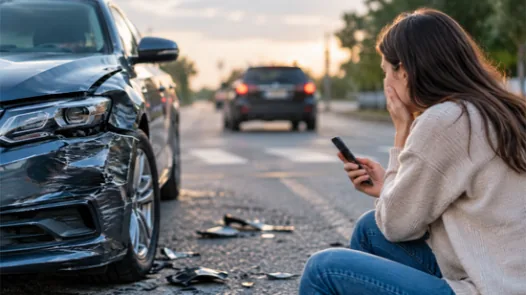
Best Steps to Take After a Hit-and-Run Accident
One second you're driving home, stopped at a light, or walking across a parking lot. The next second there's a loud bang, and by the time you look up, the other driver is gone. Your heart is pounding, your hands might be shaking, and you have no idea who just hit you.
It's an awful feeling, and it happens more often than most people think. Thousands of hit-and-run car accidents are reported across the US every year, and many of the drivers are never found right away. That doesn't mean you're out of options. What you do in the first few minutes, hours, and days can make a big difference to your health, your insurance claim, and your chances of getting paid for your losses. Here are the steps worth taking, in the order that makes the most sense.
Stay Calm and Get to a Safe Place
Your first job is to protect yourself. If your car can still be driven and you're in the middle of a busy road, move it to the shoulder or a nearby parking lot. Turn on your hazard lights. If you're on foot or on a bike, get out of traffic and onto the sidewalk.
If you're badly hurt, or if you think moving might make an injury worse, stay where you are and wait for help. Neck and back injuries can be tricky, and adrenaline can hide pain for a while. When in doubt, don't move around more than you have to.
Do not try to chase the other driver. It might feel like the natural thing to do, but it puts you and everyone else on the road in danger, and it can turn a bad situation into a much worse one.
Call the Police Right Away
Even if the damage looks small, call the police. A hit-and-run is a crime in every state, and a police report is one of the most important pieces of paper you'll have later on. Insurance companies almost always want to see one, especially when the other driver can't be found.
When you call, give your location, tell them someone hit you and drove off, and mention any injuries. Try to stay calm and answer questions clearly. If you remember which direction the other car went, say so, since police may be able to spot it nearby.
When the officer arrives, stick to the facts. Say what you saw and what you know. Don't guess about things you're unsure of. Ask for the report number before the officer leaves so you can get a copy later.
Write Down Everything You Remember About the Other Vehicle
Your memory is sharpest right after the crash, and it fades faster than you'd expect. As soon as you can, write down or record a voice note about anything you remember. Even small details can help police track the driver down.
Think about the color, make, and model of the car, and any damage it might have now. Do you remember any part of the license plate, even just a few letters or numbers? What about the state on the plate? Stickers, roof racks, tinted windows, or a broken taillight can all help. If you saw the driver, note what they looked like and whether anyone else was in the car.
Don't worry if it's only bits and pieces. A partial plate and a general description can still go a long way when police combine it with other evidence.
Look for Witnesses
If anyone saw what happened, get their name and phone number before they leave. Witnesses are often the ones who caught the plate number or remember something you missed. Someone in another car, a person walking by, or a store worker who looked out the window can all be helpful.
Ask if they'd be willing to talk to the police. A short statement from a neutral person can carry a lot of weight later, especially if the other driver is found and tells a different story.
Take Photos and Video
Use your phone to document everything before things get moved or cleaned up. Take pictures of the damage to your car from several angles, any debris on the road, skid marks, the street signs nearby, and the overall scene. Paint scratches or broken pieces of the other vehicle left behind can sometimes help identify it.
If you have visible injuries like cuts or bruises, photograph those too. Keep taking pictures over the next few days as bruises develop, since they often look worse a day or two later.
Also check whether your car has a dash cam. If it does, save the footage right away so it doesn't get recorded over.
Look for Security Cameras Nearby
This step gets missed all the time. Many stores, gas stations, apartment buildings, and traffic intersections have cameras, and their footage can show the car that hit you, or even the license plate.
The problem is that many systems erase their video after a few days or weeks. So don't wait. Tell the police about any cameras you spot, and if it's safe and reasonable, ask the business owner to save the footage. A lawyer can also send a formal request later, but the sooner someone asks, the better the odds the video still exists.
Get Medical Care, Even If You Feel Fine
A lot of people say "I'm okay" at the scene and then wake up the next morning barely able to move. Adrenaline is powerful, and injuries like whiplash, concussions, and internal bruising don't always show up right away.
See a doctor or go to urgent care as soon as you can, ideally the same day. Tell them exactly what happened and describe every symptom, even the small ones. This does two things. First, it protects your health. Second, it creates a medical record linking your injuries to the accident, which is exactly the kind of evidence that can help strengthen a personal injury claim.
Follow your doctor's advice and go to your follow-up visits. Skipping appointments gives insurance companies a reason to say your injuries weren't serious.
Tell Your Insurance Company
Call your insurer soon after the accident and report what happened. Most policies require you to give notice within a certain amount of time, and waiting too long can cause problems with your claim.
Stick to the basic facts when you talk to them. Give the date, time, and location, and mention that the other driver left the scene and that you filed a police report. You don't need to give a long statement or guess about what your injuries might turn out to be. If you're not sure what to say, it's fine to tell them you'll follow up after you've spoken with an attorney.
Understand Your Insurance Options
When the other driver can't be found, your own insurance is often what pays. Two types of coverage matter most here.
Uninsured motorist coverage can help pay for your medical bills and other losses when the driver who hit you is unknown. In many states, a hit-and-run counts as an uninsured driver situation for this purpose. Collision coverage can help repair your car, though you'll usually pay a deductible. Medical payments coverage, if you have it, can help with early medical costs no matter who was at fault.
Each state has its own rules, and some require you to report the crash to the police within a short window, sometimes just a day or two, to qualify for uninsured motorist benefits. That's one more reason to call 911 right away instead of waiting. If you're not sure what this coverage actually pays for or whether Illinois requires you to carry it, we break that down in what uninsured motorist coverage is and whether you need it.
Stay Off Social Media
It's tempting to post about what happened, especially if you're angry or shaken. Try to hold back. Insurance companies sometimes check social media, and a photo of you smiling at a family event or a comment like "I'm fine" can be used against you later, even if you were in pain the whole time.
Wait until your claim is fully settled before posting anything about the accident, your injuries, or your recovery. It's a small sacrifice that can protect your case.
Talk to a Personal Injury Lawyer
Hit-and-run cases are more complicated than most car accident claims. There may be no at-fault driver to go after, which means the claim often runs through your own insurance company, and your own insurer won't always treat you as kindly as you'd expect. They're still a business, and they may try to pay you less than your claim is worth.
A personal injury lawyer can look at your policy, figure out which coverage applies, deal with the insurance adjusters for you, and keep pushing to identify the driver. If the driver is found, a lawyer can also help you go after compensation directly. Most personal injury attorneys offer free consultations and only get paid if you win, so it costs nothing to ask questions early.
Keep the statute of limitations in mind too. Every state sets a deadline for filing a lawsuit, often two or three years, and missing it can end your case for good.
Conclusion
A hit-and-run is scary, confusing, and unfair. But you're not helpless. Get safe, call the police, write down what you remember, collect evidence, see a doctor, and let your insurer know. Then talk to a lawyer who can guide you through the parts that are hard to handle on your own.
The steps you take in the first day or two matter more than most people realize. Do them in order, keep good records, and don't let anyone rush you into a decision. With the right moves early on, you give yourself the best chance of getting the help and compensation you need to recover.
Frequently Asked Questions
What should I do first after a hit-and-run accident?
Get to a safe spot, check yourself and others for injuries, and call 911. Then write down everything you remember about the other vehicle while the details are fresh.
Can I still get compensation if the driver is never found?
Yes, in many cases. Uninsured motorist coverage on your own policy can help pay for medical bills and other losses when the driver can't be identified. Your coverage and state rules will decide how much you can receive.
Do I have to report a hit-and-run to the police?
Yes, you should always report it. Police reports support your insurance claim, and some states require a quick report to qualify for uninsured motorist benefits.
What if I only remember part of the license plate?
Write it down anyway. Partial plates, along with the car's color, make, and any damage, can help police narrow down the vehicle, especially when they combine it with camera footage.
How long do I have to file a claim after a hit-and-run?
It depends on your state and the type of claim. Insurance policies often have short notice deadlines, and lawsuits usually must be filed within two to three years. Talking to a lawyer early helps you avoid missing an important date.
Were you hit by a driver who fled the scene?
Contact the experienced Chicago personal injury attorneys at Panio Law Offices today for a free consultation and find out how to protect your claim.